
New Construction vs Resale in Richmond Hill GA
New Construction vs Resale Homes in Richmond Hill GA is an important decision for buyers comparing price, maintenance, location, timelines, and long-term value. A brand-new home may offer modern finishes, newer systems, and fewer immediate projects. A resale home may provide an established neighborhood, mature landscaping, included improvements, and a clearer move-in schedule.
The right answer depends on your budget and how you plan to live. A first-time buyer may prioritize predictable maintenance, while a relocating family may care more about commute time and possession dates. Military households may need a property that works with PCS orders, temporary lodging, or household-goods delivery.
This guide compares the 2026 Richmond Hill housing market, new construction benefits, resale-home advantages, inspections, warranties, hidden costs, schools, and neighborhood considerations. Before touring properties, review the process of buying a home in Richmond Hill GA so you understand the financing, contract, inspection, appraisal, and closing steps that apply to both options.
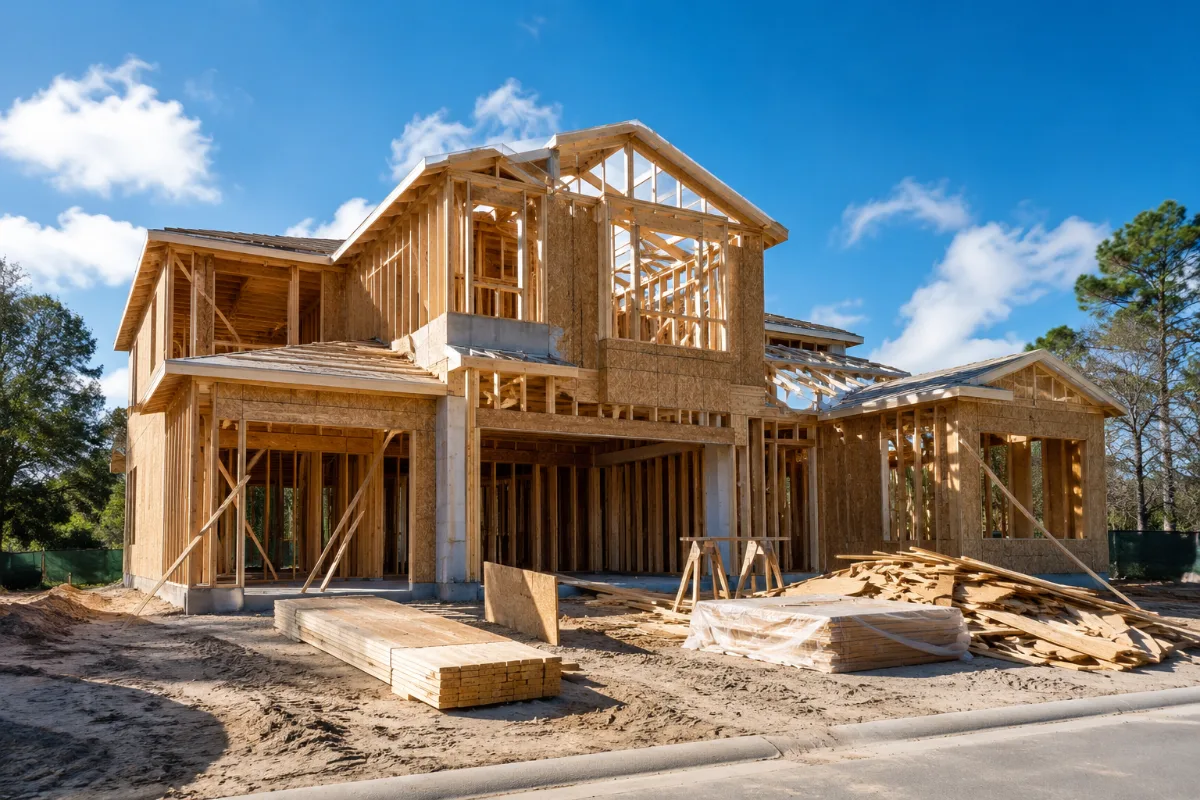
New Construction vs Resale Homes in Richmond Hill GA: 2026 Overview
Richmond Hill buyers have a broad selection of single-family homes, townhomes, new builds, established properties, and higher-end residences. Recent market benchmarks place the overall median sale price in the low $400,000s, while the median listing price has been closer to the mid-$400,000s.
New construction generally carries a higher asking price because buyers are paying for newer systems, current designs, builder warranties, and community development. Resale pricing varies more widely based on the home’s age, condition, location, updates, lot, and neighborhood amenities.
The market is competitive enough that well-presented homes can still attract strong interest, but buyers may have more time to compare options than they did during faster-moving periods. Some properties close below their original list price, while updated homes in desirable locations may receive stronger offers.
Important 2026 market considerations include:
- Overall sale prices commonly fall in the low $400,000s.
- New construction often starts in the upper $300,000s and moves higher with size and upgrades.
- Townhomes may offer more affordable entry points than detached houses.
- Larger, customized, waterfront, or amenity-focused homes can exceed $700,000.
- Property condition and completed upgrades can affect value as much as age.
The best comparison is not simply “new versus used.” Buyers should compare the completed purchase price, monthly payment, immediate expenses, future maintenance, commute, and neighborhood setting.
Benefits of New Construction Homes in Richmond Hill GA
New construction homes in Richmond Hill GA are appealing to buyers who prefer modern layouts and fewer immediate renovation projects. Many newer homes include open kitchens, larger islands, flexible living areas, walk-in closets, updated bathrooms, and energy-conscious building features.
Depending on the construction stage, buyers may be able to select flooring, cabinets, countertops, fixtures, paint, or structural options. Some developments also provide quick move-in homes that are already completed or nearing completion.
Key Advantages of a New Home
- Modern floor plans: Open living spaces and flexible rooms may better support work, family life, and entertaining.
- Newer systems: Recently installed roofing, HVAC, plumbing, and electrical components may reduce early repair concerns.
- Builder warranty: Written coverage may protect eligible workmanship, systems, or structural items after closing.
- Design opportunities: Buyers may personalize selected finishes when purchasing early enough in the building process.
- Community amenities: Some developments include pools, trails, playgrounds, sidewalks, or shared gathering areas.
- Lower immediate maintenance: A newly completed property may require fewer large projects during the first few years.
New construction can work well for buyers who want a polished, move-in-ready appearance without renovating an older home. It may also appeal to professionals and military families who prefer to settle in without immediately managing contractors or repair projects.
However, the benefits must be compared with the final cost—not only the builder’s advertised starting price.
Costs and Risks of Buying New Construction in Richmond Hill GA
The base price of a new home may not include everything shown in the model. Upgraded cabinets, premium flooring, additional lighting, screened porches, larger garages, fences, appliances, and preferred homesites can increase the final price considerably.
Ask the builder for a written breakdown showing what is standard, what is optional, and what the buyer must purchase separately after closing.
Common new-construction expenses include:
- Lot or homesite premiums
- Structural changes and added rooms
- Design-center selections
- Upgraded flooring, counters, cabinets, and fixtures
- Window coverings and appliances
- Fencing, irrigation, and landscaping
- HOA initiation fees and recurring dues
- Independent inspections
- Temporary housing if completion is delayed
Builder incentives may include closing-cost assistance, upgrade credits, or financing promotions. These offers can be useful, but they should be reviewed alongside the interest rate, lender fees, discount points, monthly payment, and long-term loan cost.
Construction schedules may also change because of weather, permitting, inspections, labor, or material availability. Buyers with a firm lease expiration, school start date, job commitment, or PCS report date should maintain a backup housing plan.
A new home may reduce early maintenance, but it does not eliminate the need for careful budgeting, contract review, and independent inspections.
Benefits of Resale Homes in Richmond Hill GA
Resale homes in Richmond Hill GA offer something new construction cannot always provide: the ability to experience the completed property and neighborhood before making a decision. You can walk through the exact home, view the surrounding properties, observe traffic patterns, and understand how the layout functions.
Established neighborhoods in Richmond Hill GA may feature mature trees, completed streets, developed amenities, and a clearer community identity. Some resale properties also include improvements that would cost extra in a new build.
Key Advantages of a Resale Property
- Established surroundings: Buyers can evaluate the street, neighboring homes, landscaping, and traffic before purchasing.
- Existing improvements: Fences, patios, screened porches, sheds, blinds, and landscaping may already be included.
- Negotiation opportunities: Price, repairs, appliances, closing costs, and possession terms may be negotiable.
- Faster occupancy: A completed home may provide a more predictable closing and move-in timeline.
- Location variety: Existing homes may be available in areas where little or no new construction remains.
- Architectural character: Resale neighborhoods may offer more variation in design, lot size, and home style.
Move-in-ready homes in Richmond Hill GA can be especially practical for buyers coordinating a relocation, lease expiration, school calendar, or military move. A completed property generally offers more timeline certainty than a home that is still being built.The main concern is future maintenance. A well-presented resale home may still have an aging roof, HVAC system, water heater, appliances, windows, or exterior components.
Pros and Cons of Resale Homes in Richmond Hill GA
A resale home gives buyers more information upfront, but it also requires careful property research. Fresh paint and attractive staging do not show the condition of the roof, attic, plumbing, electrical components, drainage, foundation, or mechanical systems.
Timelines, Contracts, Inspections, and Warranties
Buying new construction in Richmond Hill GA often involves a builder contract rather than the standard resale agreement many buyers expect. Deposit requirements, completion dates, upgrade deadlines, financing conditions, inspection rights, and cancellation terms can differ significantly. Construction schedules may also shift, so buyers with a firm relocation date should discuss a backup housing plan.
An independent inspection remains important for both options. For a resale home, the inspector evaluates the existing structure and systems so you can better understand repair needs before closing. For new construction, inspections may be useful at selected building stages and again near completion, depending on your contract and the construction timeline.
A municipal approval or builder walkthrough does not provide the same buyer-focused evaluation as an independent inspection. Your purchase agreement should be reviewed carefully so you understand when inspections are permitted and how identified issues will be addressed.
Warranty coverage also varies by builder. Request the complete written warranty before signing, including what it covers, how claims must be submitted, response procedures, exclusions, and whether coverage transfers to a future owner.
For resale homes, review seller disclosures, permits, repair invoices, and service records when available. Clear documentation helps you compare risk instead of relying only on finishes and appearance.
Schools, Neighborhoods, and Daily Life
Families should compare the home and its location together. Bryan County Schools lists Richmond Hill Primary School, Richmond Hill Elementary School, Carver Elementary School, Frances Meeks Elementary School, McAllister Elementary School, Richmond Hill Middle School, and Richmond Hill High School among its Richmond Hill-area schools. The new Richmond Hill High School opened in August 2025.
Because attendance assignments are address-specific, confirm the current school zone directly with Bryan County Schools before making an offer. Do not rely only on a listing description or the distance between a home and a school.
New construction may place you in a growing section where roads, amenities, or nearby building phases are still developing. Resale homes may offer a more established commute pattern and neighborhood identity. Reviewing Richmond Hill GA neighborhoods can help you compare Waterways, Buckhead-area communities, and other residential settings before deciding which housing type fits your needs. Waterways includes a mix of single-family and townhome options, while county planning records also identify established communities such as Buckhead East.
Military families and relocating professionals should test their expected commute during the hours they would normally travel. Also compare access to groceries, medical care, childcare, parks, and daily services. A home with fewer upgrades may still be the better choice when its location saves meaningful time every day.
How to Choose the Right Option for Your Lifestyle
New construction may be the stronger fit when you value modern finishes, lower early maintenance, builder warranty coverage, and the opportunity to select certain features. It can also work well when you have timeline flexibility and enough room in your budget for upgrades or items that must be purchased after closing.
Resale may be better when you need a more predictable move-in date, prefer mature surroundings, want to negotiate with an individual seller, or value improvements that are already installed. It may also provide better access to established neighborhoods in Richmond Hill GA or a location that cannot easily be duplicated by new development.
Choose New Construction When:
- You prefer a modern floor plan with minimal immediate renovation
- You can manage possible construction or completion-date changes
- You have reviewed the full builder price—not only the advertised base price
- New systems and warranty coverage provide meaningful peace of mind
- You want some control over finishes or structural options
Choose Resale When:
- You need to inspect and experience the finished home before committing
- Location and neighborhood maturity matter more than brand-new finishes
- You want existing landscaping, fencing, window treatments, or outdoor improvements
- You are comfortable budgeting for future repairs or updates
- You want the opportunity to negotiate directly with an individual seller
Make Your Decision with Clear Numbers
There is no automatic winner in the New Construction vs Resale Homes Richmond Hill GA comparison. New homes may provide modern systems and customization, while resale homes may offer established locations, faster occupancy, and stronger negotiating flexibility. The right answer becomes clearer when you compare complete costs—not marketing labels.
LaTonya can help you review current Richmond Hill GA home-buying options, evaluate builder contracts, identify resale repair risks, and compare neighborhoods without steering you toward one category. Share your budget, preferred move date, commute, school considerations, and maintenance comfort level, and the search can focus on homes that genuinely fit your life.